
7/14/25-US Electricity⚡,Steve Eisman🎧, AI Tax Prep🤖
Getting creative🪄 with your income taxes is a crime🚨👮🏻♀️
Welcome back. In a busy world we can be distracted with the trivial many things or we can focus on The Vital Few.
Something that I am thinking about
U.S. Electricity Generation/Demand Summary
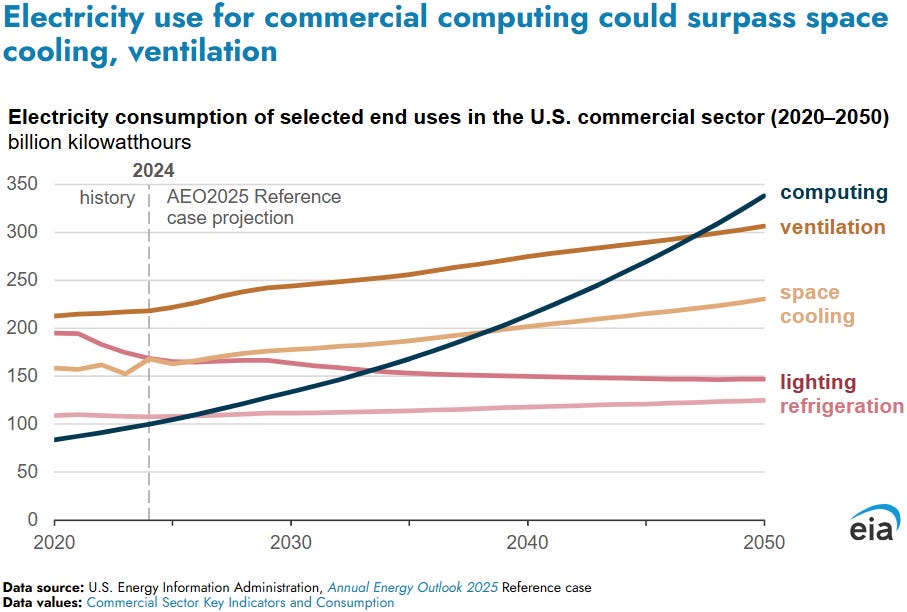
With the rise of AI and Data Centers, we hear a lot of discussion in recent years about rising electricity demand. Because of this I have been slowly wading into the power sector to better understand the space🏊🏻♂️. Below are some things that I thought were worth sharing-
Total Annual U.S. Electricity Generation/Demand
According to various reports from the U.S. Energy Information Administration (EIA) and energy analysis organizations the total U.S. annual electrical generation is:
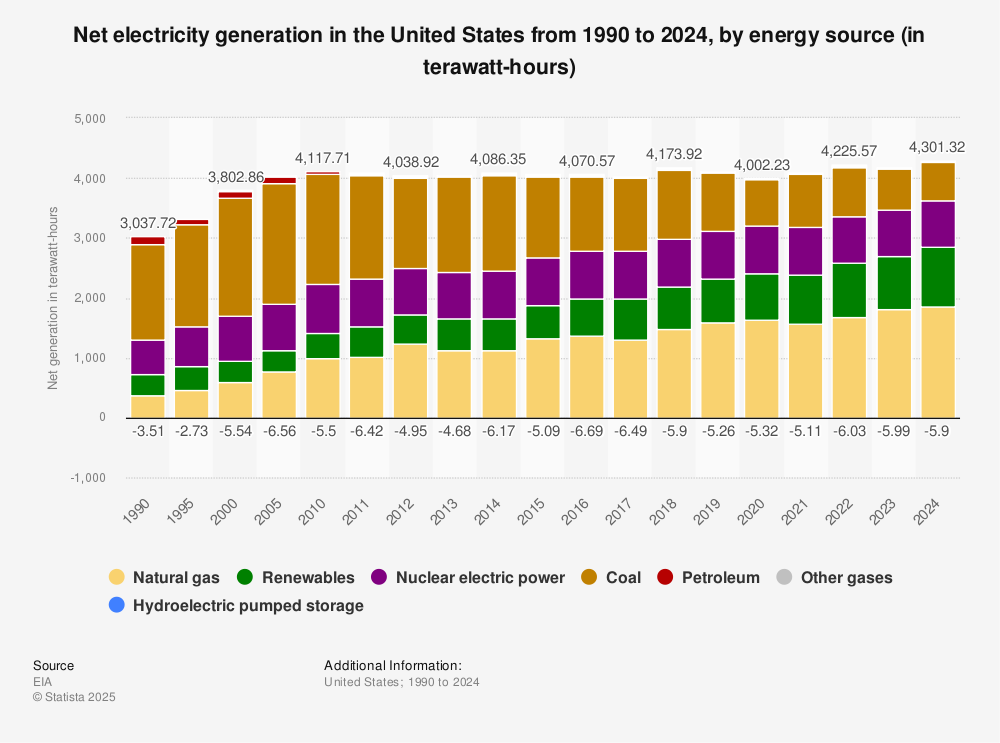
2023: The total U.S. utility-scale electricity generation was approximately 4,178 billion kilowatthours (kWh), or 4.18 trillion kWh (4,178 TWh).
2024 (Preliminary/Estimated): U.S. electricity demand and generation grew significantly in 2024. Total electricity generation for the U.S. in 2024 reached approximately 4,386 TWh .
Top Electricity Generators in the U.S.
The largest electricity generators in the U.S. are generally large investor-owned utilities and, to a lesser extent, large public power authorities. It's important to distinguish between generation capacity (how much they can produce) and actual generation (how much they do produce).
Here are some of the largest public company electricity generators in the USA:
NextEra Energy, Inc.
Headquarters: Juno Beach, Florida
Locations: operates in 49 states and Canada. Wind facilities in 21 US states and 4 Canadian provinces, primarily in Texas, the Western, and Midwestern regions. NextEra also owns and/or operates generation assets in 40 states and Canada. Specifically- California, Illinois, Indiana, Kansas, Kentucky, Nevada, New Hampshire, New York, Oklahoma, Texas, and Ontario (Canada).
Market Cap: Over $150 billion
Customers: 12 million+
Key Feature: Notable for being the largest utility company in the world by market capitalization and a leader in renewable energy.
Duke Energy Corporation
Headquarters: Charlotte, North Carolina
Locations: operates in North Carolina, South Carolina, Florida, Indiana, Ohio, and Kentucky.
Market Cap: Approximately $90 billion
Customers: 8 million
Key Feature: Serves customers in six states and is heavily involved in power generation and natural gas distribution.
Southern Company
Headquarters: Atlanta, Georgia
Locations: Their electric utilities serve customers in Alabama, Georgia, Mississippi, and Florida. Additionally, Southern Company Gas distributes natural gas in Georgia, Illinois, Tennessee, and Virginia.
Market Cap: Around $100 billion
Customers: 9 million
Key Feature: Operates in the Southeast and is known for its diverse energy portfolio, including nuclear, coal, and renewables.
Dominion Energy, Inc.
Headquarters: Richmond, Virginia
Locations: operates in Virginia, North Carolina, and South Carolina for electricity distribution, and in some areas of those states as well as Ohio, West Virginia, Pennsylvania, and Georgia for natural gas distribution.
Market Cap: About $50 billion
Customers: 7 million
Key Feature: Focuses on electricity and natural gas distribution, with significant investments in renewable energy.
Public Utilities: While investor-owned utilities dominate, some large public utilities also contribute significantly:
New York Power Authority (NYPA)
Salt River Project (SRP) (Arizona)
Los Angeles Department of Water & Power (LADWP)
Collectively, these top-tier companies/utilities likely account for a substantial portion of U.S. electricity generation, perhaps in the range of 30-50%. NEE 0.00%↑ , DUK 0.00%↑ , SO 0.00%↑ , D 0.00%↑
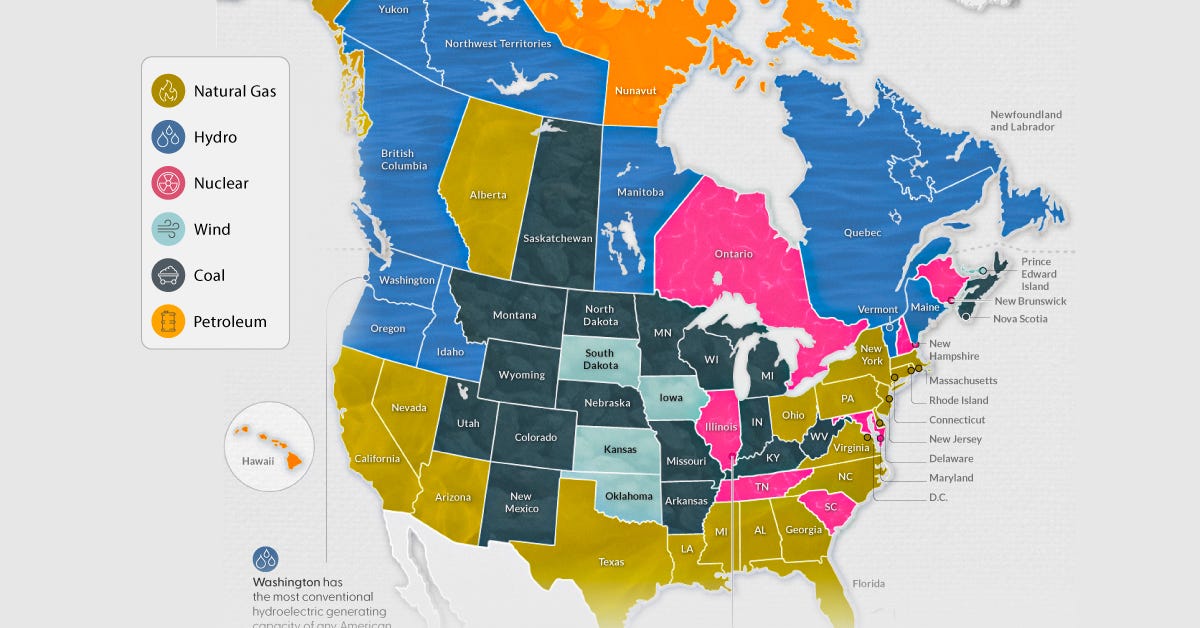
US Electricity Generation by Energy Source-
Investing, Companies, Market Past/Future
(I invest in Companies, not in stocks.) - No meaningful company events over the last few weeks to share. The next quarter of earnings season kicks off this week.
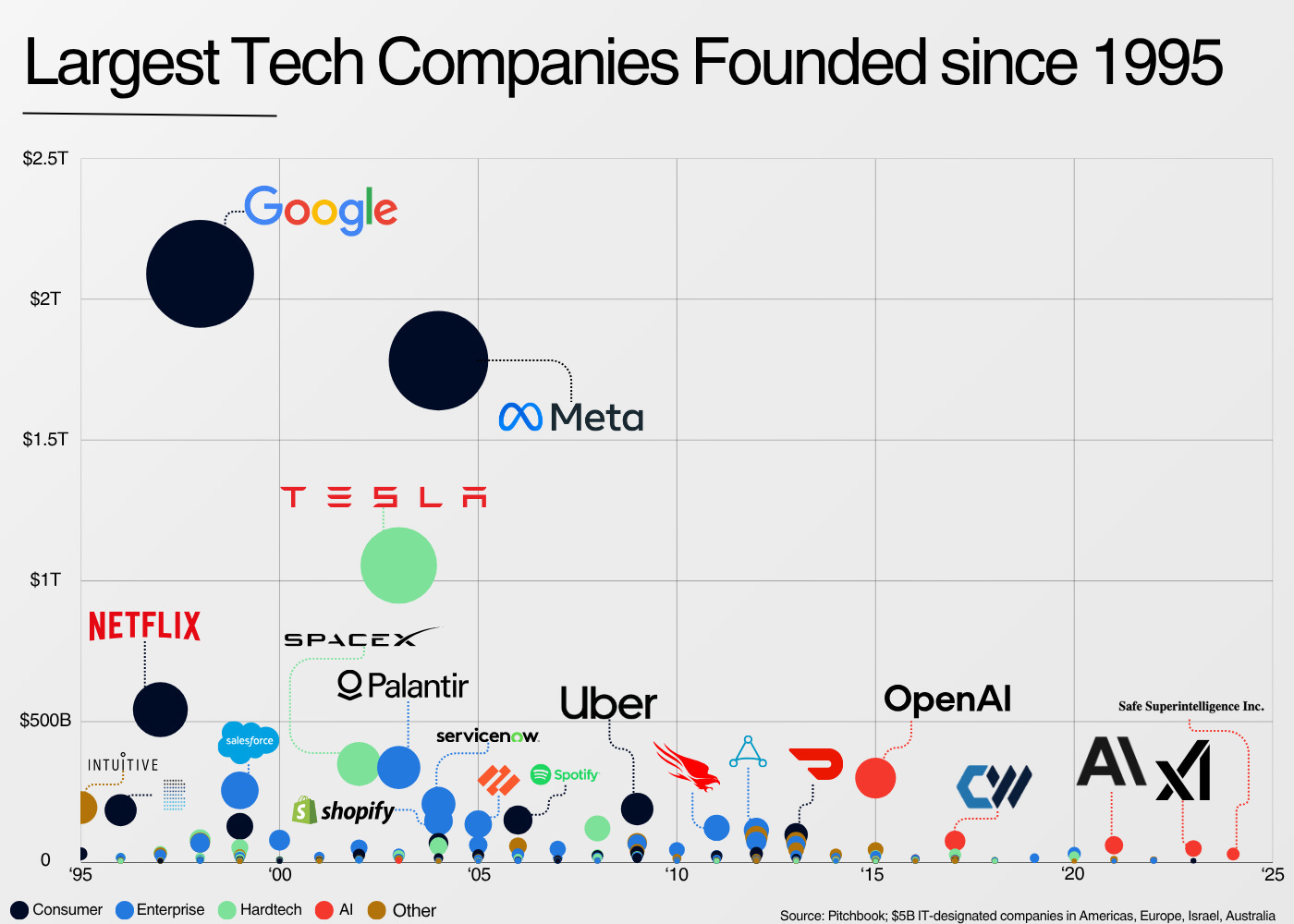
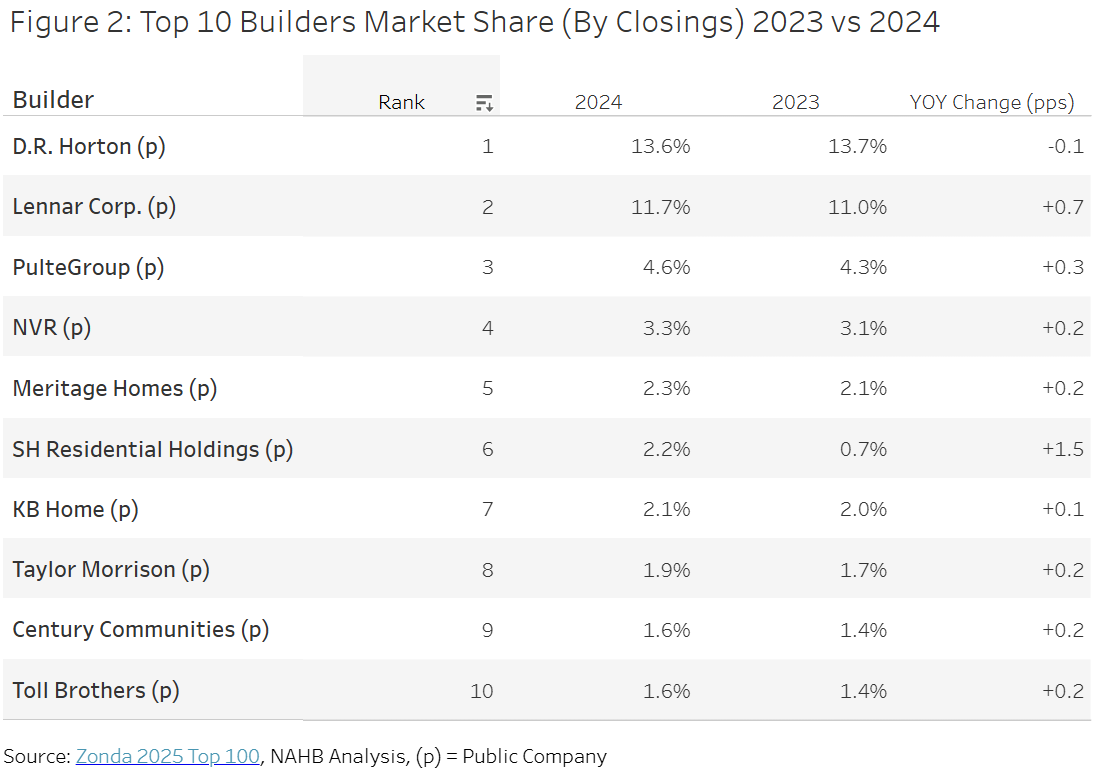
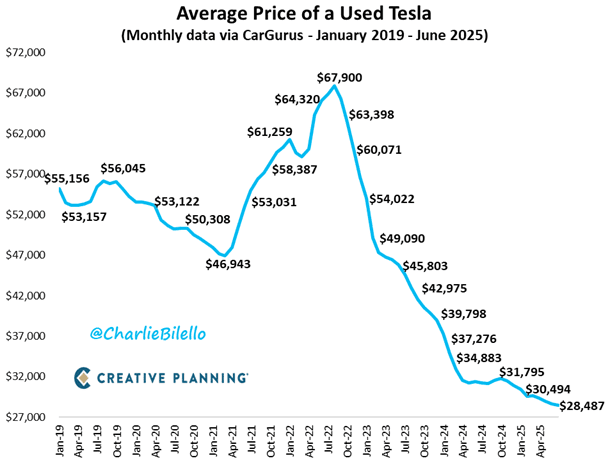
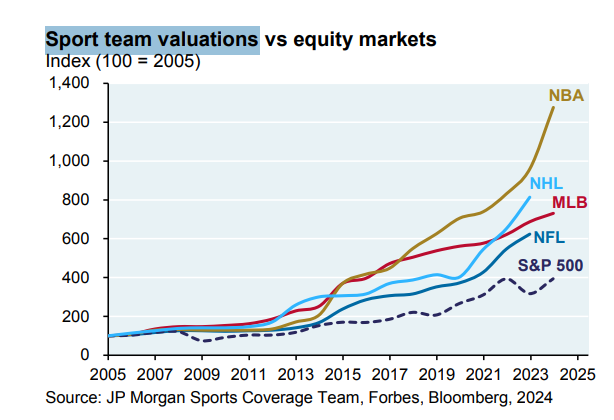
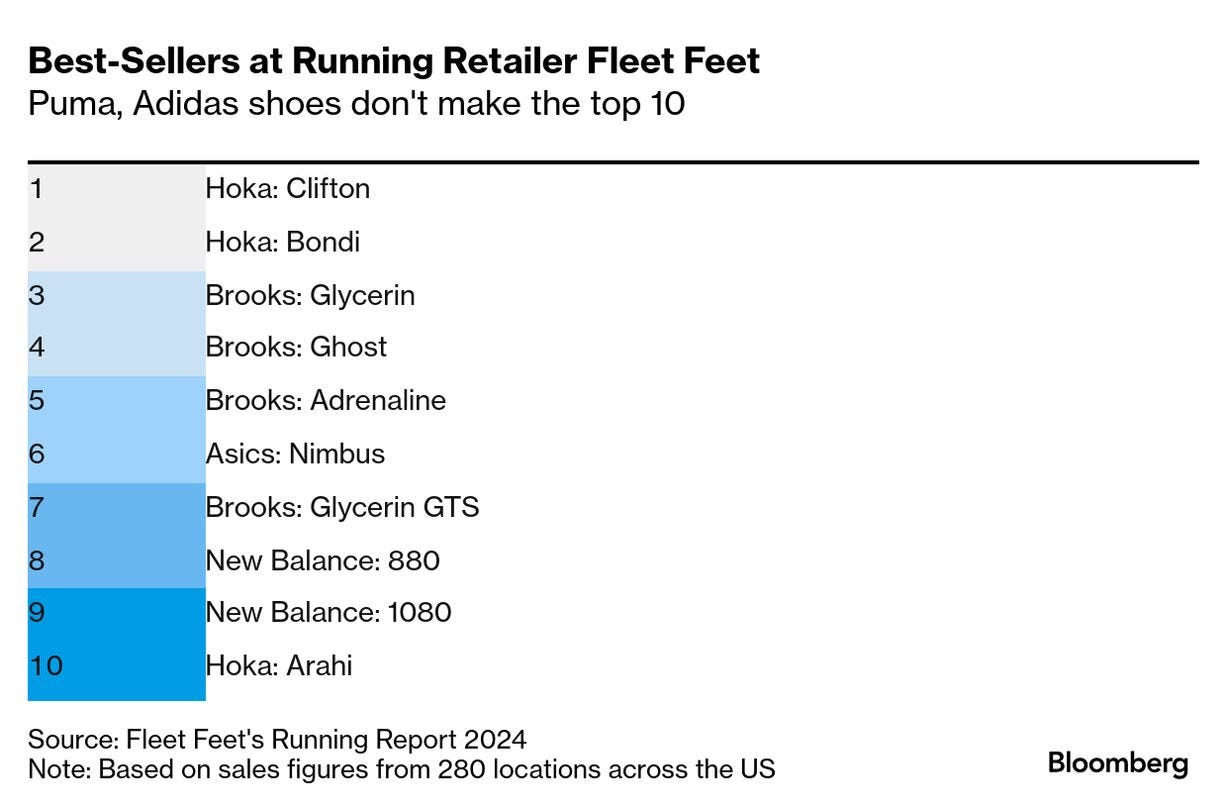
(With data and charts it is not what you look at, it is what you see that matters.) Click on any of the images below to see a larger view.
Podcast
Another great episode of The Real Eisman Playbook. Pulitzer Prize-winning journalist Gretchen Morgenson discusses her career in investigative journalism, focusing on the dark side of Wall Street, the AIG 0.00%↑ scandal, and the financial crisis. She highlights the role of private equity in modern finance and its impact on various industries, including healthcare. Morgenson emphasizes the importance of exposing corporate fraud and the need for accountability in the financial sector.
"The next financial crisis will come out of private equity because it's grown so enormously and nobody knows what's going on." [50:47]
Both of these experts are excellent teachers. The video is below and you can also find the show on your favorite podcast platform.
Video
This video explains how a natural gas turbine produces an electric current that a data center can use to produce on-site electricity. I would assume that easy access to natural gas supply would make this a more achievable long-term solution.

Books and Articles since my last edition
(Reading Great books is like a conversation with the finest minds of the past.- Descartes. If I get bored of a book I quit and move on.)

Source Code: My Beginnings by Bill Gates The origin story of one of the most influential and transformative business leaders and philanthropists of the modern age. It was honest, thoughtful and captivating. 5 🌟
Electrify: An Optimist's Playbook for Our Clean Energy Future by Saul Griffith Nonfiction, Science.
Capitalism in America: An Economic History of the United States by Alan Greenspan History, Economics
Under the Dome by Stephen King Science Fiction, Mystery. Stephen King is a master.
Here is a link to many of the books I have read and my 1-5 star rating- Goodreads Books Read
Wild Card🃏

AI for Personal Income Tax Preparation
AI is a huge time saver with software development [tools like Windsurf, Cursor and Microsoft’s Copilot.] Much of software development is bespoke, creative, modularized and complex.
It would seem to me that personal income tax preparation would be far simpler for AI to assist with, almost a no brainer. Citizens are not permitted to create the tax rules (getting creative with your taxes is a crime🚨👮🏻♀️), we are only allowed to plug our numbers into the tax form/algorithm.
As of 2025, it should be trivial for an AI to read all of the tax code, get 1000, or 1M examples of completed form 1040s and then just do my taxes for me in about 7 minutes. I am willing to scan and upload my source documents (W-2, 1099, prior year tax return, etc).
I have been paying TurboTax and H&R Block ~$75 per year for the pleasure of doing this myself forever. I would certainly pay an AI like $20-60 instead to save me the time and trouble. Doesn’t this seem like a simple task for AI?
If you liked this post from Nick, why not share it and subscribe?
Disclaimer: All of my posts are for informational purposes only. I might own some of the companies discussed in these posts. This is NOT a recommendation to buy or sell securities discussed. Please do your own work before investing your money.